This Gulf-coast city is known for its Greek heritage and has National Register-listed historic districts, so roofing here can involve both weather and review rules. The city has its own building department and requires a permit for reroofing. Call the number on this page to be connected with a local roofing contractor in Tarpon Springs.
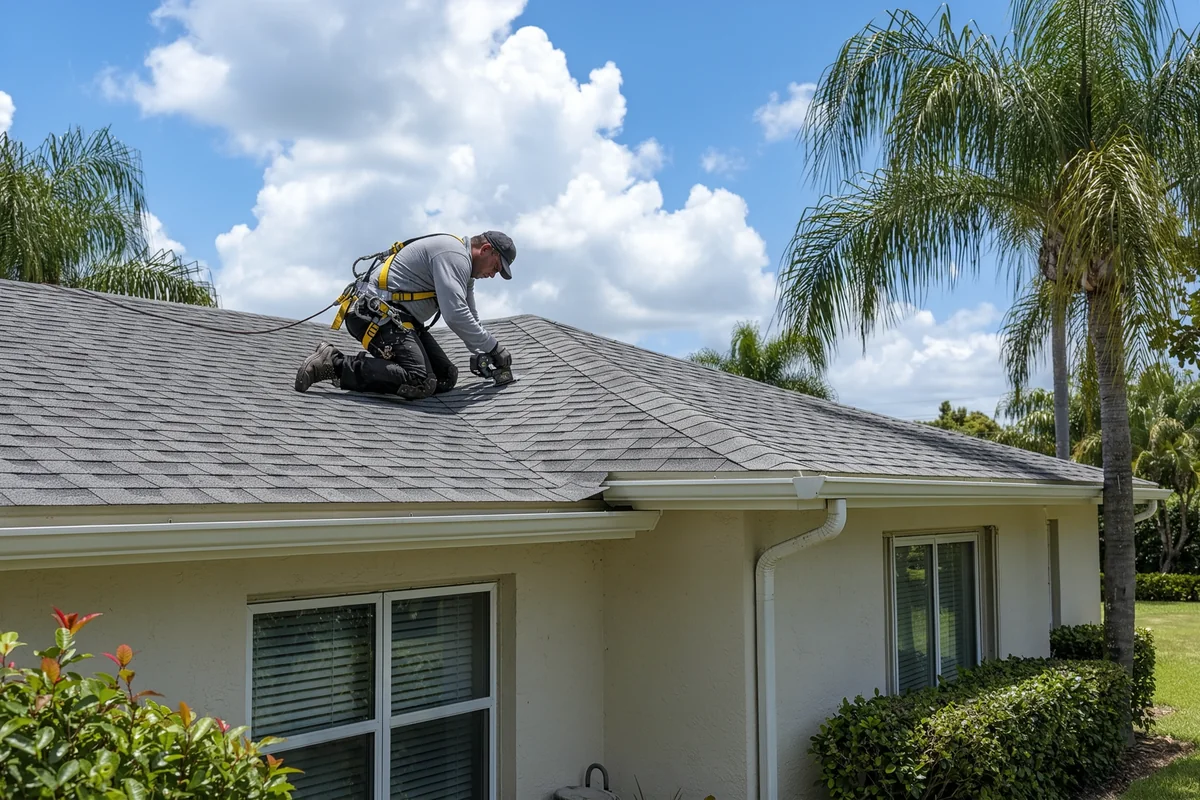
Roofing services in Tarpon Springs
Greek heritage and Gulf weather
People know this city as Little Greece, with a sponge-diving past and a working waterfront. The coastline faces the Gulf of Mexico, with bayous, including Spring Bayou, feeding into it. The median home was built in the mid-1980s, newer than much of Pinellas, though pockets of older housing remain, and most occupied homes are owner-occupied. That mix means a lot of shingle and tile roofs now entering the age where a close inspection pays off.
Historic districts and roofing materials
Replacing a roof on a contributing building in a historic district with original-style materials needs staff approval, while other materials go to the Heritage Preservation Board. If you live near the historic core, ask the city before you order materials, and have the roofer price the original-style option beside any alternative. Standing-seam metal roofing, tile and architectural shingles can all be considered, but approval comes first.
City permits and inspections
The Building Development Department runs the process, not the county. Reroofing requires a permit with a notice of commencement and a product approval spec sheet, then Roof In-Progress and Roof Final inspections. Your roofer should explain who submits each document and who schedules the inspections. Because the city also administers floodplain rules, ask about those if the work is part of a bigger repair on a flood-zone property.
Look up any roofer on MyFloridaLicense.com before signing; paid roof work needs a state contractor license.
Salt, storms and what you can check
Waterfront homes see salt air, which corrodes fasteners and flashing, and the Gulf side of Pinellas takes the first hit from tropical systems. Hurricane season runs June through November, and NWS Tampa Bay notes frequent lightning in the summer rainy season. After weather, look from the ground, shine a flashlight in the attic and photograph any stain. Place a bucket under drips and never go on the roof. If a power line is down, stay away and call 911.
Claims and the 25 percent rule
Under Florida's 25 percent rule, repairing or replacing more than a quarter of a roof section within twelve months generally pulls the whole section up to current code, so ask a roofer how that affects your quote. For insurance work, a roofer cannot offer a rebate or deductible waiver, and notice to your insurer is due within a year of the loss. More on roof repair and hurricane damage repair.
Common questions in Tarpon Springs
Does a reroof need a permit in Tarpon Springs?
Can I use any material in a historic district?
Is the building department the county or the city?
What does the 25 percent rule mean for a repair bid?
Nearby cities and towns
Sources
- Tarpon Springs, Florida
- Tarpon Springs housing data
- Tarpon Springs code, chapter 7
- City of Tarpon Springs: Roof permits
- City of Tarpon Springs Building Development
- NWS Tampa Bay Tropical Weather
- NWS Tampa Bay Thunderstorm Climatology
- DBPR: What Services Require a DBPR License?
- Florida Statutes s. 489.147
- Florida Statutes s. 627.70132
- Florida Building Commission staff analysis, 25 percent rule
Last updated: